
01
The part arrives, or the machine does
A worn component, a broken one, or an assembly that has to be stripped to find the item that failed. Where nothing is left to measure, the mating parts and the housing carry the dimensions instead.
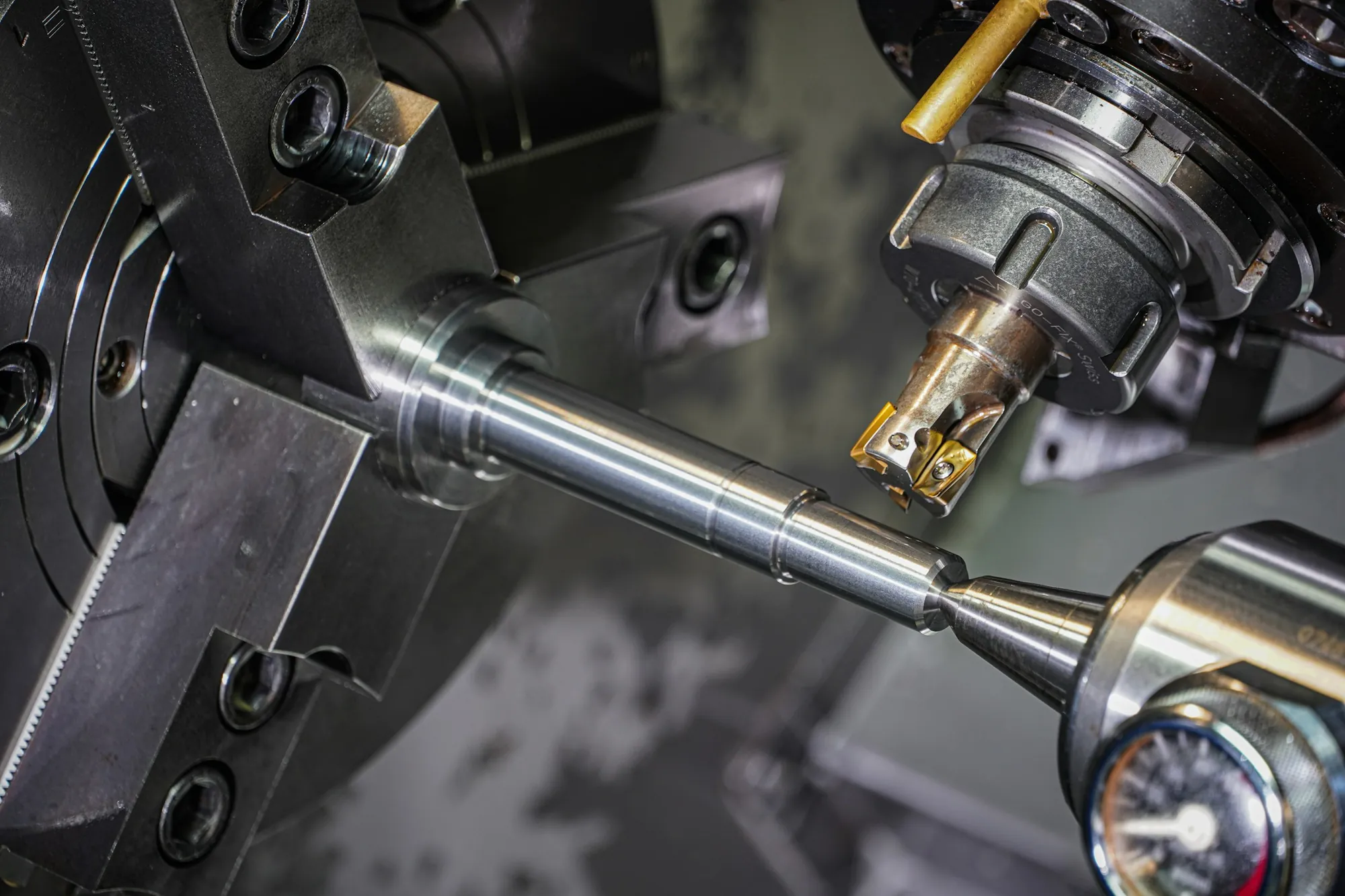
Capability
Indigenisation by reverse engineering: measuring a component that is out of production, drawing it properly, and making it again so the equipment stays in service.
The problem
A pump, a gearbox or a handling rig will run for thirty years. The company that made its impeller may have stopped making it after eight, changed the design twice, or closed. The machine is fine. The part is unobtainable.
What we need from you
What you get back
The method
The order is the discipline. Measuring before drawing, and separating wear from design intent, is what stops a reverse engineered part from reproducing the failure it replaced.
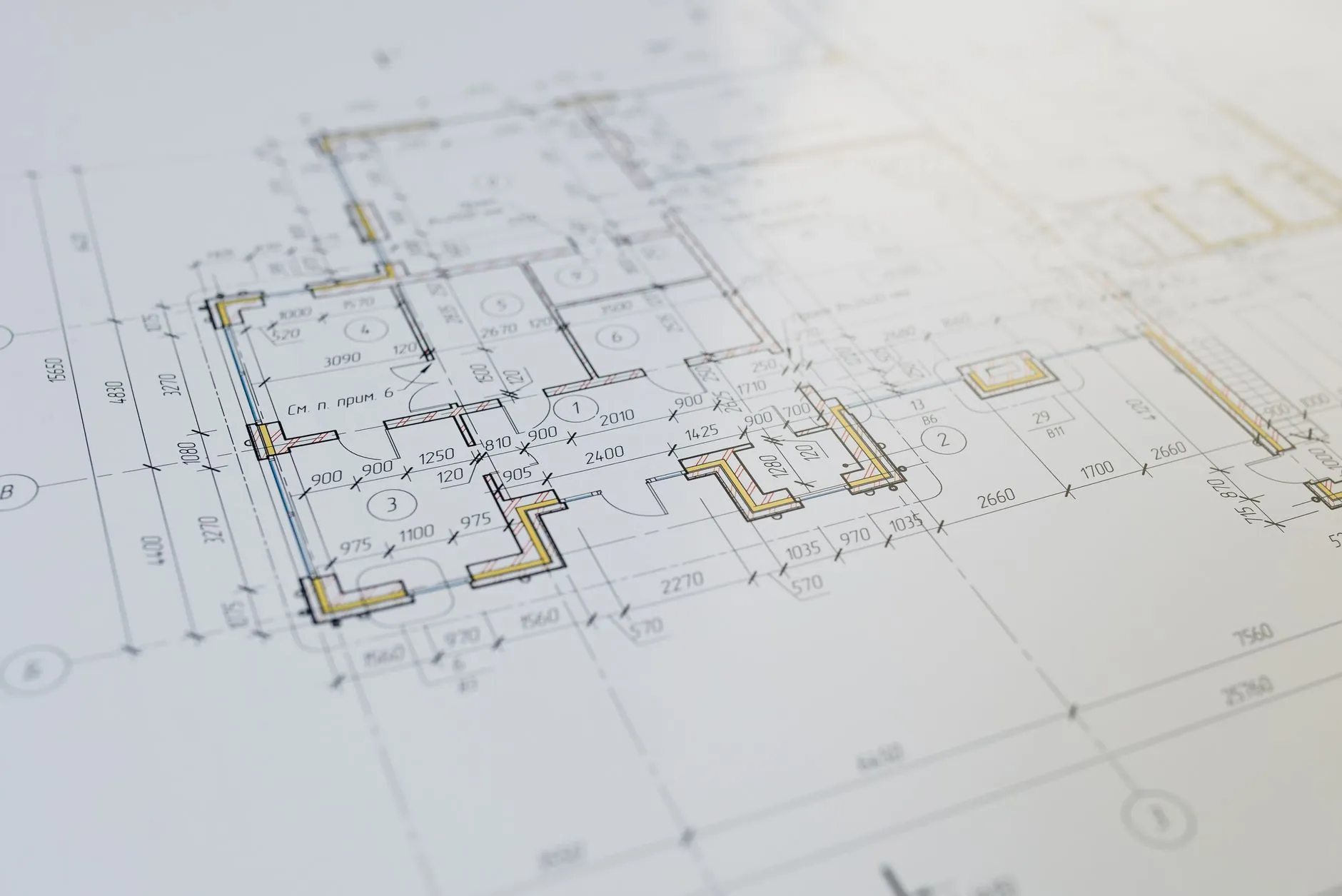
Certified scope
Indigenisation of engineering and defence equipment and spare parts through reverse engineering, machining of engineering components, maintenance of equipment, marine services, and the design and development of control systems.
ISO 9001:2015, QFS Management Systems LLP
How the work is checkedTell us what it came out of and what it does. If it can be measured, it can usually be made.